3rd Line IT Support
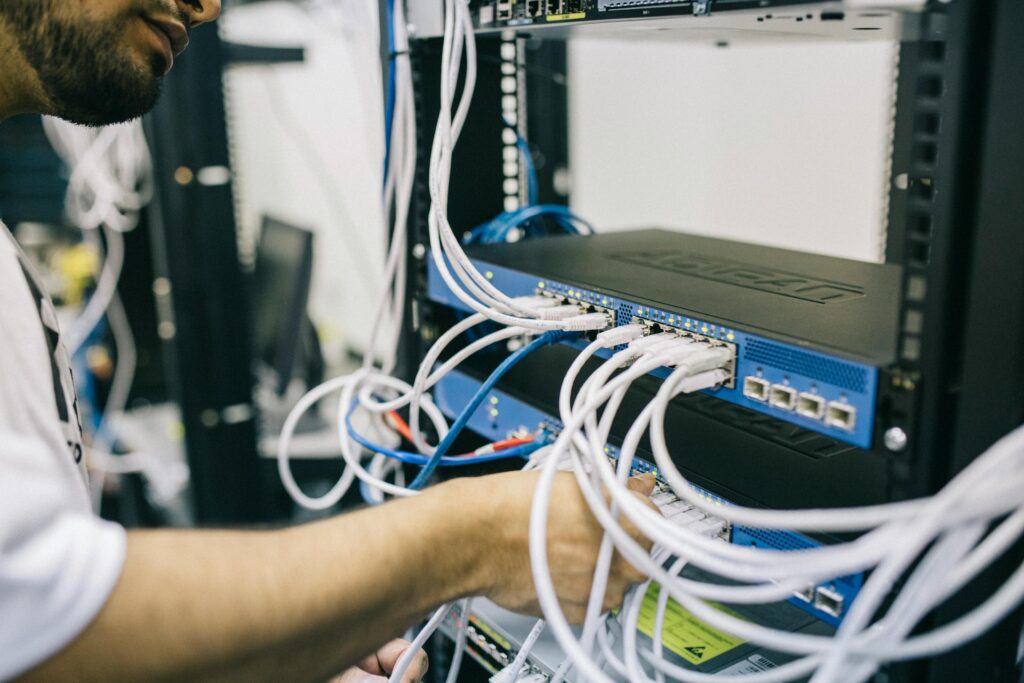
As a independent IT consultancy provider we specialise in escalation and 3rd line IT support.
We partner with internal IT teams, support staff, and CTOs to resolve complex technical challenges that go beyond routine troubleshooting.
When critical issues arise that go beyond scope for first and second line support staff you need experts who you can quickly identify resolve and prevent destructions to your operations.
Our 3rd line support works with your in house IT teams, whether they’re in house or overseas.
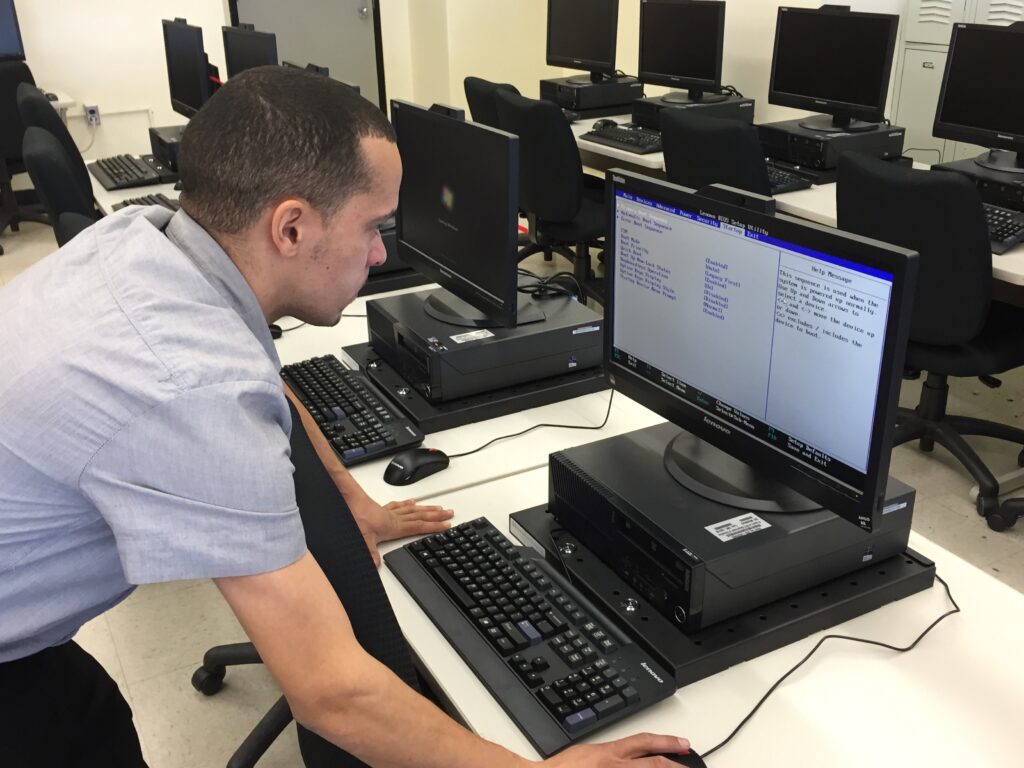
Contact us about our 3rd Line IT Support service

Examples of 3rd Line IT Support services that we can provide include:
- Server installations, migrations, upgrades and configuration.
- Network design
- Switches, routers and network appliance installation and configuration.
- Wifi Surveys and installation.
- Desktops installation and hardware roll outs.
- Network configuration and deployments
- Advanced Microsoft 365 and Azure troubleshooting.
- Cybersecurity response assisting.
- Infrastructure optimisation.
- Email deliverability and Exchange migration issues.
- Remote desktop and VPN connectivity.
- Data loss recovery file server restoration.
- Third-party vendor escalation liaising.
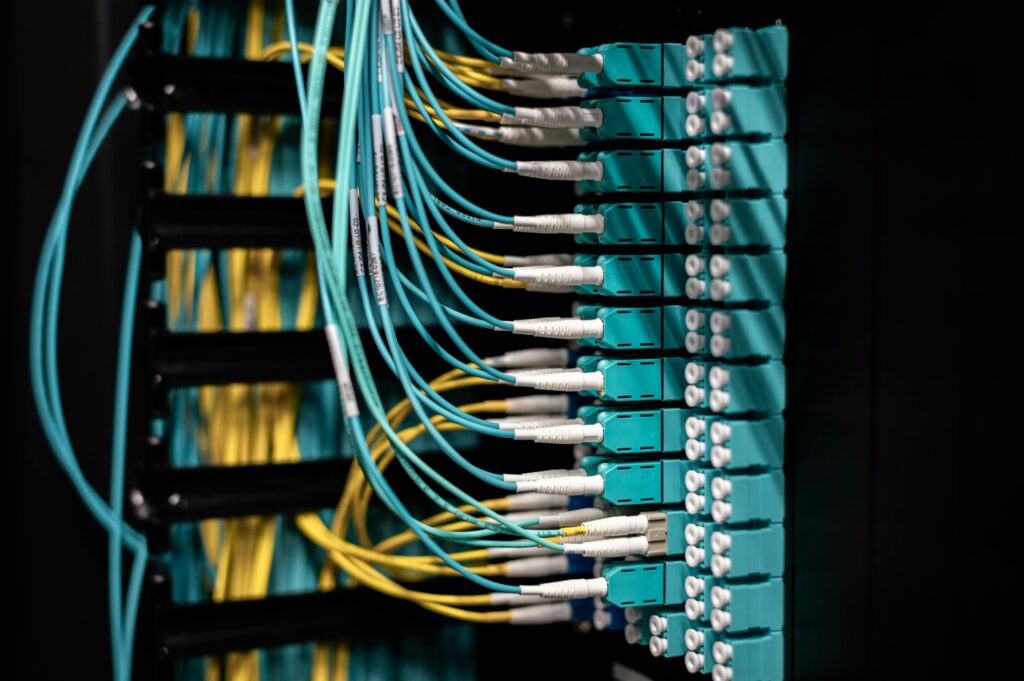
Why Choose Millsit for 3rd Line IT Support ?
We have been providing IT Support services including managed, break fix for 20 years across and Nationwide throughout England And Wales and to overseas clients in the USA and Europe. We have a proven track record of reliability, discretion and expertise.
Whether you require on-site support, remote troubleshooting, or specialist infrastructure maintenance, our experienced engineers and consultants can assist.
What Is The Difference between IT Support and 3rd Line IT Support ?
IT support generally refers to the first point of contact for users who experience technical issues such as password resets, printer setup, software installation, or general troubleshooting.
This level of support focuses on resolving everyday problems quickly to keep users productive.
3rd Line IT Support, on the other hand, deals with the most complex and technical issues that go beyond the scope of standard support teams.
Third-line engineers are typically senior specialists with advanced knowledge in areas such as server infrastructure, cloud environments, cybersecurity, networking, and system architecture.
They handle problems that require deep investigation, advanced diagnostics, or direct collaboration with software and hardware vendors.
In short, while general IT support keeps your systems running day to day, 3rd Line IT Support provides the expert-level problem solving and escalation needed to maintain performance, security, and resilience at an enterprise level.
What Is The Difference between 1st line, 2nd line and 3rd line IT Support ?
IT support is typically structured in three levels (or lines), each designed to handle different types of technical issues based on their complexity and impact.
1st Line IT Support Frontline Helpdesk
The first point of contact for users experiencing IT problems. Handles basic technical issues such as password resets, software setup, email configuration, and general troubleshooting. Focuses on quick resolutions to keep users and business operations running smoothly. Often works from a script or knowledge base to resolve common problems efficiently.
2nd Line IT Support Technical Specialists
Takes over when an issue cannot be solved by the 1st line team. Provides deeper technical support for more complex software, network, or hardware issues. Often involves remote diagnostics, reconfigurations, or system updates. 2nd line engineers usually have more advanced knowledge of infrastructure, operating systems, and application management.
3rd Line IT Support Escalation & Expert-Level Engineers
The highest level of technical expertise within an organisation or outsourced IT provider. Handles complex, critical, and advanced issues that require specialist knowledge such as server failures, cybersecurity incidents, cloud architecture design, and major infrastructure faults. Often works directly with vendors, developers, or data centre technicians to resolve deep-rooted problems. Provides guidance and escalation support to 1st and 2nd line teams, ensuring continual improvement and knowledge transfer.